
Civilization's leaders have long been as iconic as the civilizations they represent, but the way Firaxis selects each nation's leader has evolved significantly over the years. Dive into this article to uncover the journey of Civilization VII's leadership roster and how it reshapes the concept of leadership across the series.
← Return to Sid Meier's Civilization VII main article
Civ VII Redefines What it Means to Be a Leader
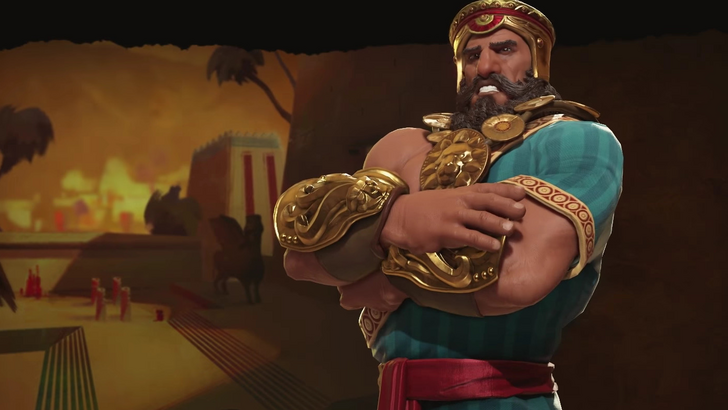
Leaders have been a cornerstone of the Civilization series since its inception, deeply intertwined with the game's identity. From the very first installment, they've shaped the narrative and gameplay, never being overshadowed by other mechanics. Each leader is a pivotal figure, embodying their civilization's essence and playing a crucial role in the game's dynamics. Over time, the portrayal of leaders has evolved, reflecting the diversity and complexity of real-world nations. With each new release, Firaxis has refined the concept of leadership, introducing fresh innovations that enhance the game's depth and player engagement.
Let's embark on a historical journey through Civilization's evolution, examining how the roster has transformed, what changes have occurred with each iteration, and how Civilization VII redefines leadership with its innovative lineup.
Old Civ Was a Superpowers Club Only
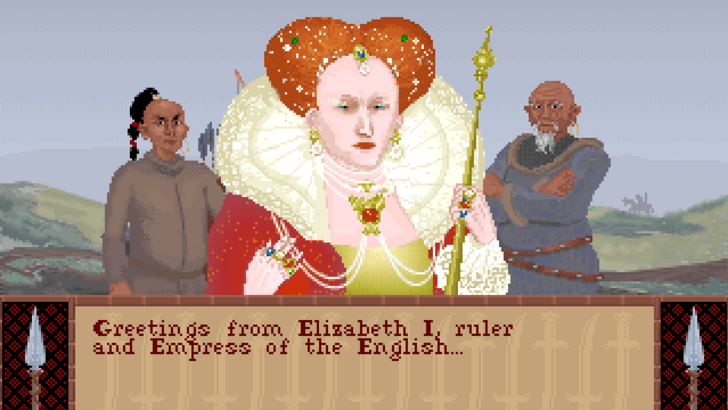
Starting with Sid Meier's original 4X masterpiece, Civilization, the game's roster was relatively simple compared to later entries. It focused on the major global superpowers of the early '90s and historical antiquity, with predictable figureheads for each civilization.
Given the game's limited scope in design and technology, it featured only 15 civilizations, including America, Rome, Greece, Japan, China, France, Egypt, and Russia. Leadership was straightforward, with each civilization's leader being a historical head of state. The selection favored well-known figures, resulting in leaders like Abraham Lincoln, Tokugawa Ieyasu, Mahatma Gandhi, and Julius Caesar, alongside more controversial choices like Mao Zedong and Joseph Stalin. Elizabeth I was the only female leader in this lineup. This approach was clear and traditional, reflecting the era of the game's release. However, as the series progressed, so did its approach to leadership, starting with Civilization II.
Civs 2 Through 5 Increase Diversity and Creativity in Increments
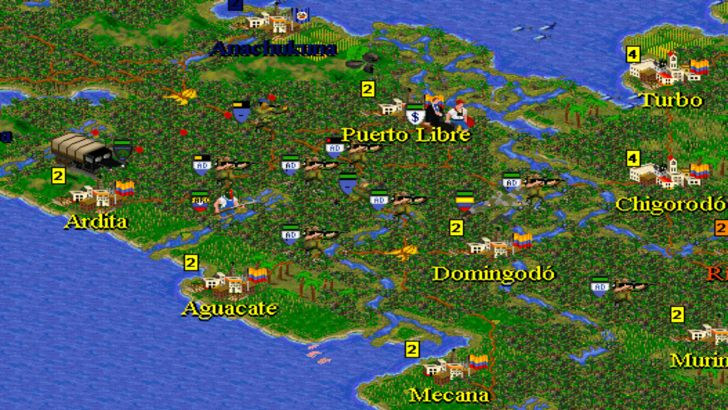
By the time Civilization II was released, the roster had expanded to include lesser-known powers like the Sioux and additional historical superpowers such as Spain. A significant innovation was the introduction of a dedicated alternative roster for female leaders, allowing players to choose between male and female leaders for each civilization.
The concept of what constituted a "leader" also expanded, including figures who weren't necessarily heads of state but were crucial to their civilization's identity. Notable examples include Sacagawea for the Sioux and Amaterasu, the Shinto goddess, for Japan.
Civilization III shifted gears by integrating more female leaders directly into the base game, totaling six. Some of these leaders replaced historically dominant male counterparts, such as Joan of Arc for France and Catherine the Great for Russia.
By the time Civilization IV and V came along, the roster had grown, and the definition of leadership had broadened further. Leaders now included revolutionaries, generals, reformists, and consorts. Traditional figureheads were often replaced or supplemented by new leaders, such as Wu Zetian for China and both Victoria I and Elizabeth I for England.
This evolution highlighted that Civilization was not just about the story of the powerful and famous but about the broader narrative of humanity, including lesser-known figures.
Civ 6 is When The Roster Starts to Get Spicy
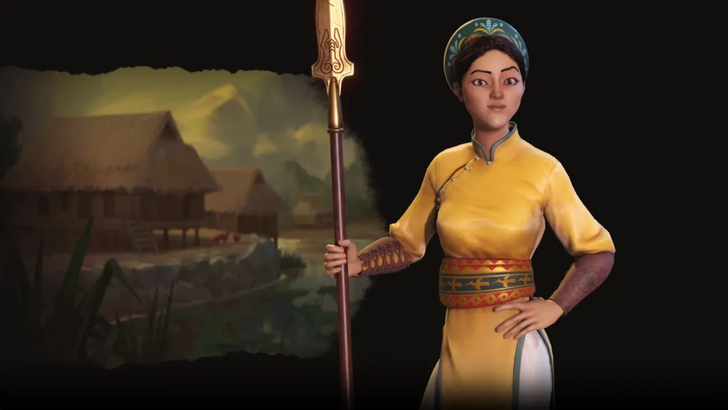
Civilization VI marked a peak in leader characterization, diversity, and creativity, with leaders portrayed as animated caricatures and the introduction of Leader Personas. These personas offered alternative versions of the same leader, emphasizing different aspects of their personality or rule, thus providing varied playstyles.
The game welcomed lesser-known heroes from lesser-known civilizations, such as Lautaro of the Mapuche and Bà Triệu of Vietnam. Queen Gorgo of Sparta offered a contrasting style to Pericles' diplomacy. Leaders were now defined by specific chapters of their lives, setting the stage for Civilization VII's approach. Eleanor of Aquitaine could lead either France or England, and Kublai Khan could rule over the Mongols or China. Multiple leader options for civilizations, like America under Lincoln or Roosevelt, and China under Qin Shi Huang, Wu Zetian, or Yongle, further diversified the roster.
The integration of Leader Personas brought even more variety, with alternate versions of leaders like Catherine de Medici, Theodore Roosevelt, Harald Hardrada, Suleiman, and Victoria, each offering unique gameplay nuances.
Civ 7 Forgoes Series Staples for Fresh Faces and Unique Leaders
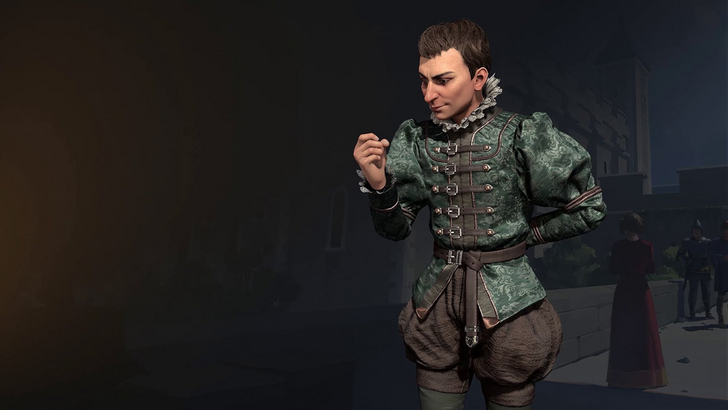
Civilization VII represents the latest evolution in Firaxis' approach to leadership, boasting the most diverse and creative roster yet. It introduces unconventional leaders, multiple personas, and carefully curated picks tailored to different playstyles.
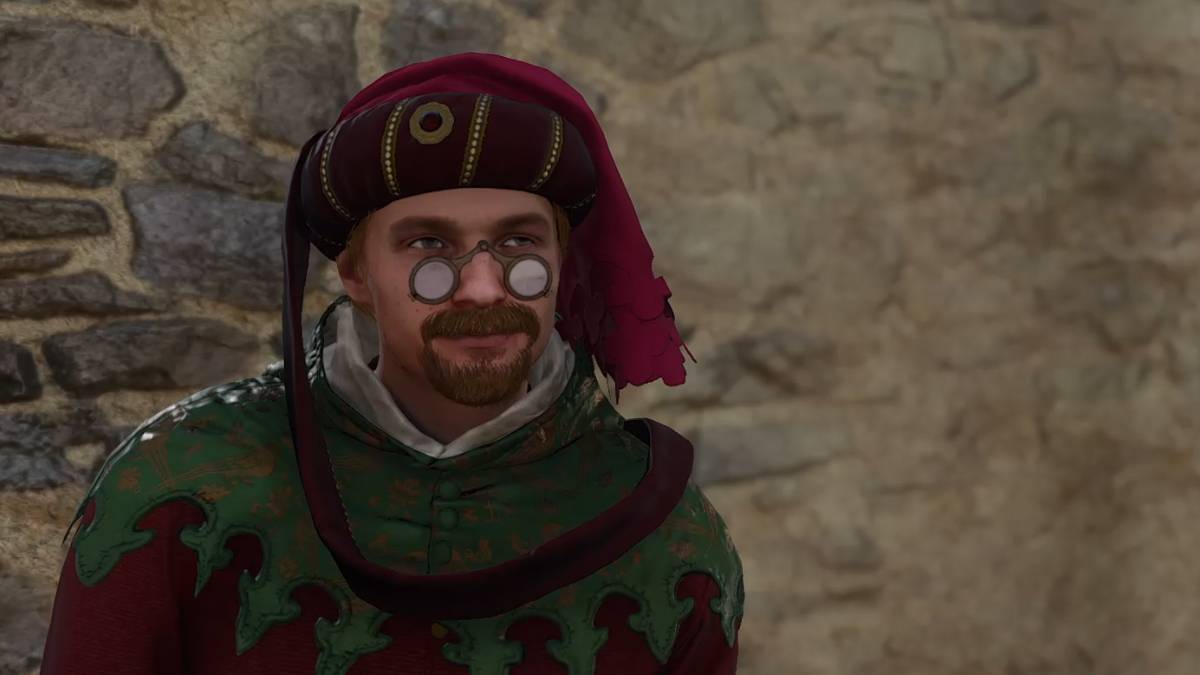
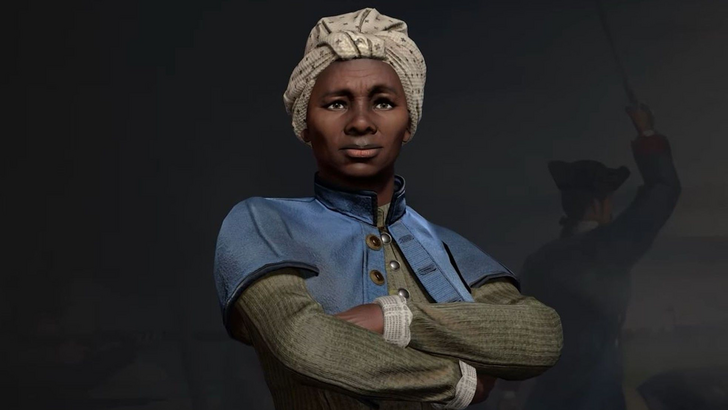
The game's innovative mix-and-match approach allows for even lesser-known figures to shine. Harriet Tubman, the American abolitionist and Underground Railroad leader, exemplifies this by filling the spymaster role previously held by Catherine de Medici. Other surprising additions include Niccolò Machiavelli, embodying self-serving diplomacy, and José Rizal of the Philippines, focusing on diplomacy, narrative events, and celebrations.
After nearly three decades, Civilization has evolved from a game about superpowers to a rich tapestry of diverse and imaginative leaders, telling the story of humanity. The definition of leadership has transformed, yet its importance remains constant. As we look forward to Civilization VIII, we might see leaders from our contemporary world, but that's a story for another day. For now, we can appreciate the intricate and vibrant leadership roster that Civilization VII offers.
← Return to Sid Meier's Civilization VII main article
Sid Meier's Civilization VII Similar Games

 Latest Downloads
 Downlaod




 Top News